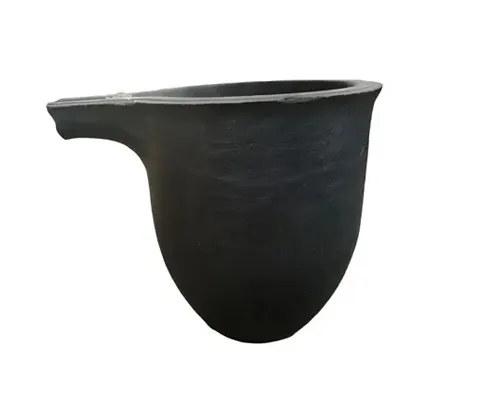
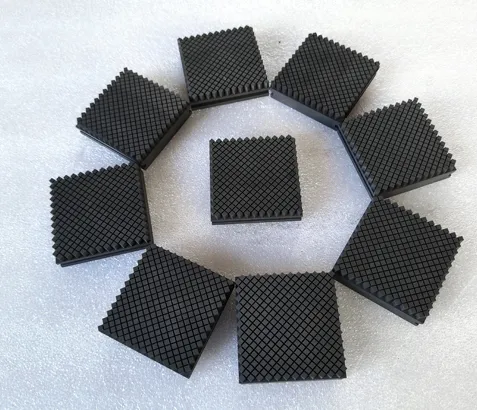
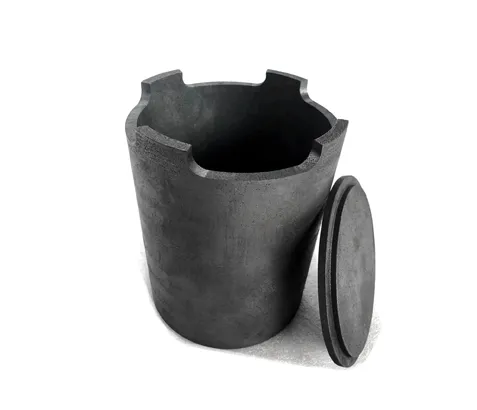
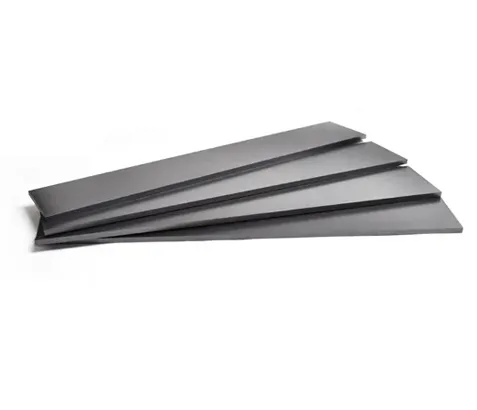
A finished graphite component may look simple, but producing it requires careful material selection, machining planning, dimensional control and protective handling. Each stage must reflect the part's geometry, operating environment and performance requirements.
1. Reviewing the Drawing and Selecting the Graphite Material
The process begins with a customer drawing, sample or technical specification. Before machining, the manufacturer reviews:
Dimensions and tolerances
Holes, grooves, threads and thin-wall structures
Surface finish requirements
Operating temperature and atmosphere
Electrical or thermal requirements
Production quantity
Inspection and packaging needs
Material selection is equally important. Graphite grades can differ in grain size, density, strength, purity and electrical properties. A fine-grain graphite material may be considered for detailed geometries, while high-purity graphite may be required in contamination-sensitive processes.The final choice should be based on actual working conditions rather than part shape alone. Providing complete application information helps the manufacturer recommend a suitable material and machining route.
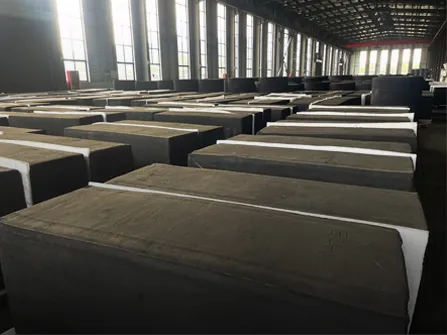
2. Preparing the Graphite Block for Machining
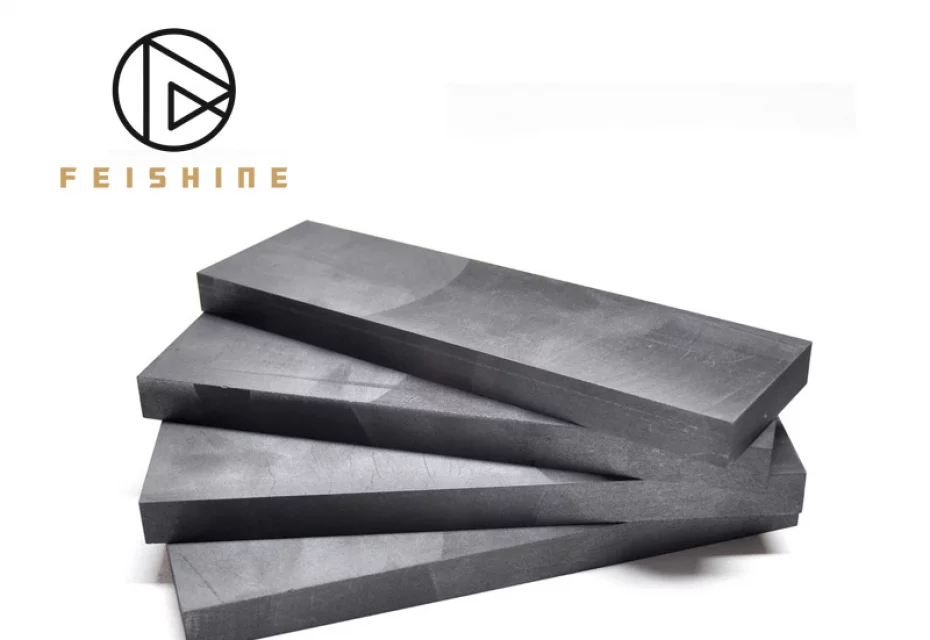
After the material and drawing are confirmed, the graphite block is checked against the required grade, dimensions and quantity. The block is then cut into an appropriate blank, leaving sufficient machining allowance.Efficient blank preparation can reduce material waste and unnecessary machining time. It may include:
Cutting large graphite blocks into workable sizes
Confirming the machining direction and reference surfaces
Planning part orientation within the raw material
Leaving allowances for finishing operations
Checking the blank for visible damage
Graphite is machinable, but it is also brittle. Edges, thin sections and complex structures require careful handling throughout production.
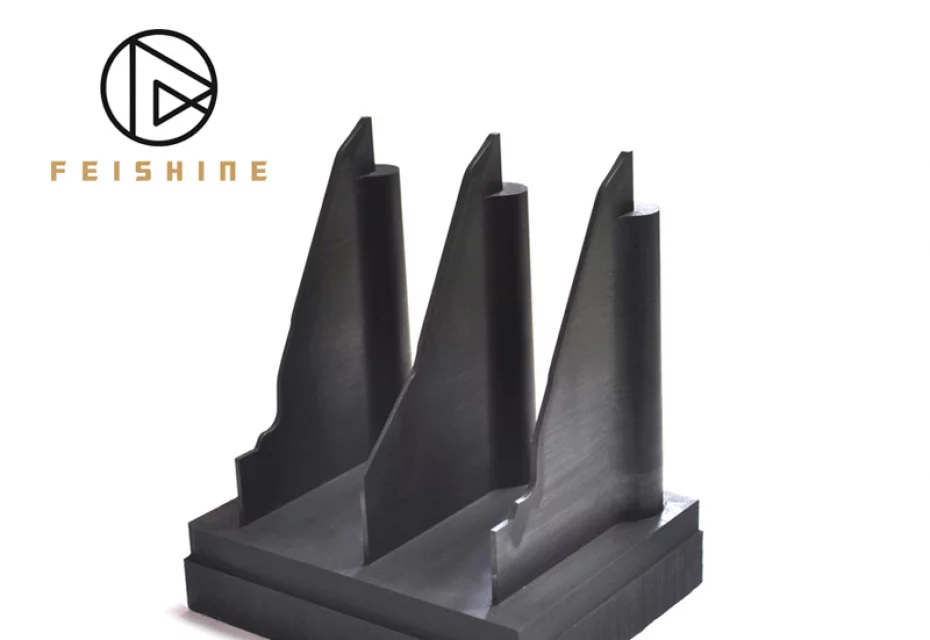
3. Shaping the Precision Graphite Component
Different machining processes may be combined according to the part design. Common methods include:
CNC milling for flat surfaces, pockets, slots and complex profiles
CNC turning for rings, bushings, rods and other rotational components
Drilling and boring for internal holes and precision bores
Grinding for surface finishing and dimensional adjustment
Thread machining for components requiring internal or external threads
Rough machining removes most of the excess material. Finishing operations then bring critical dimensions and surfaces closer to the drawing requirements.Graphite machining produces fine dust, so suitable dust-collection systems, workplace controls and personal protection are important.
4. Inspection, Cleaning and Protective Packaging
Inspection should not be postponed until the part is completely finished. In-process checks help identify dimensional deviations before additional machining is completed.Depending on the component and order requirements, quality control may include:
Raw-material and drawing verification
In-process dimensional measurement
Hole diameter and position inspection
Flatness, concentricity or geometry checks
Surface and appearance inspection
Final quantity and identification confirmation
Tolerance requirements should be clearly marked on the drawing. International standards published by the International Organization for Standardization can provide a common technical framework, but the applicable standard and acceptance criteria should be confirmed between the buyer and manufacturer.After inspection, the parts are cleaned and packaged. Fragile edges, thin walls and precision surfaces may require individual wrapping, cushioning, separated compartments or reinforced containers. Appropriate packaging helps prevent chipping, impact and contamination during international transportation.
Conclusion
Turning a graphite block into a precision component involves more than removing material. Successful production depends on matching the graphite grade to the application, reviewing the design for manufacturability, selecting suitable machining methods and controlling dimensions throughout production.Qingdao Tennry Carbon Co., Ltd. provides drawing-based graphite machining for blocks, plates, rods, rings, bushings, molds, crucibles, rotors and other custom components. Customers can submit drawings, samples and operating requirements for material and machining evaluation.
Frequently Asked Questions
1. What information is required for a custom graphite machining quote?
Provide the drawing or sample, graphite grade if known, dimensions, tolerances, quantity, operating conditions, destination country and required delivery schedule.
2. Can graphite components be machined from a sample?
Yes. A physical sample can support dimensional evaluation, but material grade and operating requirements should also be provided whenever possible.
3. Which machining methods are used for graphite parts?
Common methods include cutting, CNC milling, turning, drilling, boring, grinding, grooving and thread machining. The exact process depends on the geometry and tolerance requirements.
4. Why does graphite grade matter?
Different grades have different grain sizes, densities, purity levels and mechanical or electrical properties. These factors affect machinability and suitability for the intended application.
5. How are precision graphite parts protected during shipping?
Packaging may include individual wrapping, cushioning, internal dividers and reinforced cartons or wooden cases. The method should reflect the part’s size, weight, geometry and fragile areas.
 English