Passive fire protection plays an important role in modern buildings and industrial facilities by slowing fire spread and protecting structural components. Among various fire protection solutions, intumescent materials are widely used because they can expand when exposed to high temperatures, creating a protective insulating layer.
For manufacturers and construction professionals, understanding how intumescent products work helps in selecting suitable solutions for doors, joints, walls, and structural protection systems.
What Are Intumescent Materials?
Intumescent materials are specialized fire-resistant materials that expand when exposed to heat. During a fire, the material undergoes a chemical reaction and forms a thick, carbonized char layer that acts as a thermal barrier.
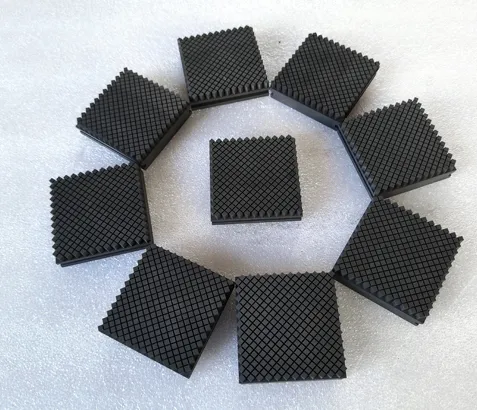
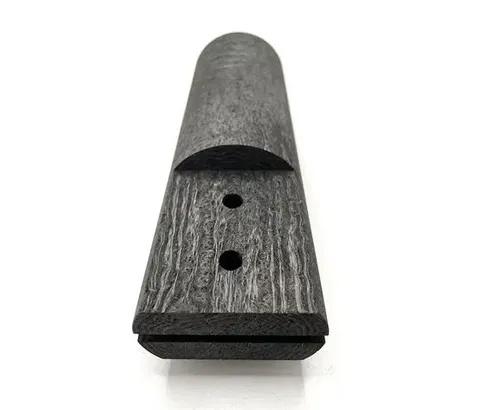
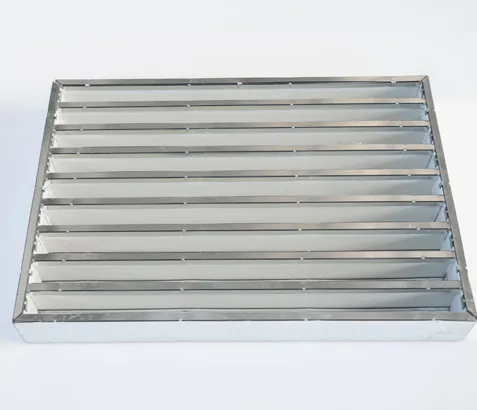
Common intumescent products include intumescent fire strips, sheets, firestop collars, and firestop grilles. These products are often installed in building gaps, doors, cable penetrations, and ventilation areas where fire and smoke may spread.
Passive fire protection systems are designed to contain fires and maintain the integrity of building structures for a certain period.
How Intumescent Materials Work During a Fire
When temperatures rise above the activation point, intumescent materials begin to expand. The expansion process creates an insulating barrier that helps:
Reduce heat transfer between fire zones
Forms a rigid, high-strength non-combustible foam layer after expansion
Prevent the movement of flames, smoke, and hot gases
Maintain the protection performance of building components
For example, an intumescent fire strip installed inside a door frame can expand during a fire, filling the space between the door and frame to help limit fire spread.
Applications of Intumescent Products in Fire Protection
Intumescent materials are used across various industries and construction applications.
Intumescent Fire Strips
Commonly used for fire doors, window frames, and expansion joints to provide automatic fire sealing.
Firestop Collars
Designed for plastic pipe penetrations. When exposed to heat, the collar expands and compresses the pipe opening to prevent fire penetration.
Intumescent Fire Sheets and Grilles
Used in walls, ceilings, and ventilation systems where airflow is required while maintaining fire resistance.
These solutions are widely applied in commercial buildings, industrial facilities, transportation infrastructure, and residential projects.
Advantages of Using Intumescent Fire Protection Materials
Compared with traditional fire protection methods, intumescent materials provide several benefits:
Automatic activation: No external power source is required; protection starts when exposed to heat.
Space-saving design: Thin materials can provide effective fire resistance in limited installation spaces.
Flexible installation: Suitable for different building structures and applications.
Long-term reliability: Designed to maintain stable performance under normal conditions.
Summary
Intumescent materials are essential components in passive fire protection systems. By expanding under high temperatures and forming a protective insulation layer, they help control fire spread and improve building safety. With products such as intumescent strips, sheets, collars, and grilles, manufacturers can provide reliable solutions for various fire protection requirements.
Qingdao Tennry Carbon supplies customized intumescent fire protection materials designed for different industrial and construction applications, supporting global customers with reliable material solutions.
FAQ About Intumescent Materials
1. What are intumescent materials used for?
Intumescent materials are mainly used for passive fire protection, including fire doors, pipe penetrations, walls, ceilings, and ventilation systems.
2. How do intumescent materials protect against fire?
They expand when exposed to high temperatures and create a protective char layer that blocks heat, flames, and smoke.
3. What types of intumescent products are available?
Common products include intumescent fire strips, firestop sheets, firestop collars, and intumescent grilles.
4. Are intumescent materials suitable for industrial applications?
Yes. They are widely used in commercial buildings, industrial facilities, energy projects, and infrastructure systems.
5. How should I choose the right intumescent product?
Selection depends on application requirements, temperature rating, installation environment, and required fire resistance performance. Consulting with a professional manufacturer can help identify the suitable solution.
 English