





Qingdao Tennry Carbon Co., Ltd.

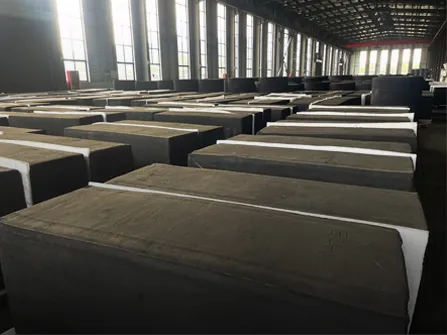
High-temperature graphite felt and C/C composites deliver excellent thermal insulation and corrosion resistance, ideal for vacuum sintering and thermal treatment applications.

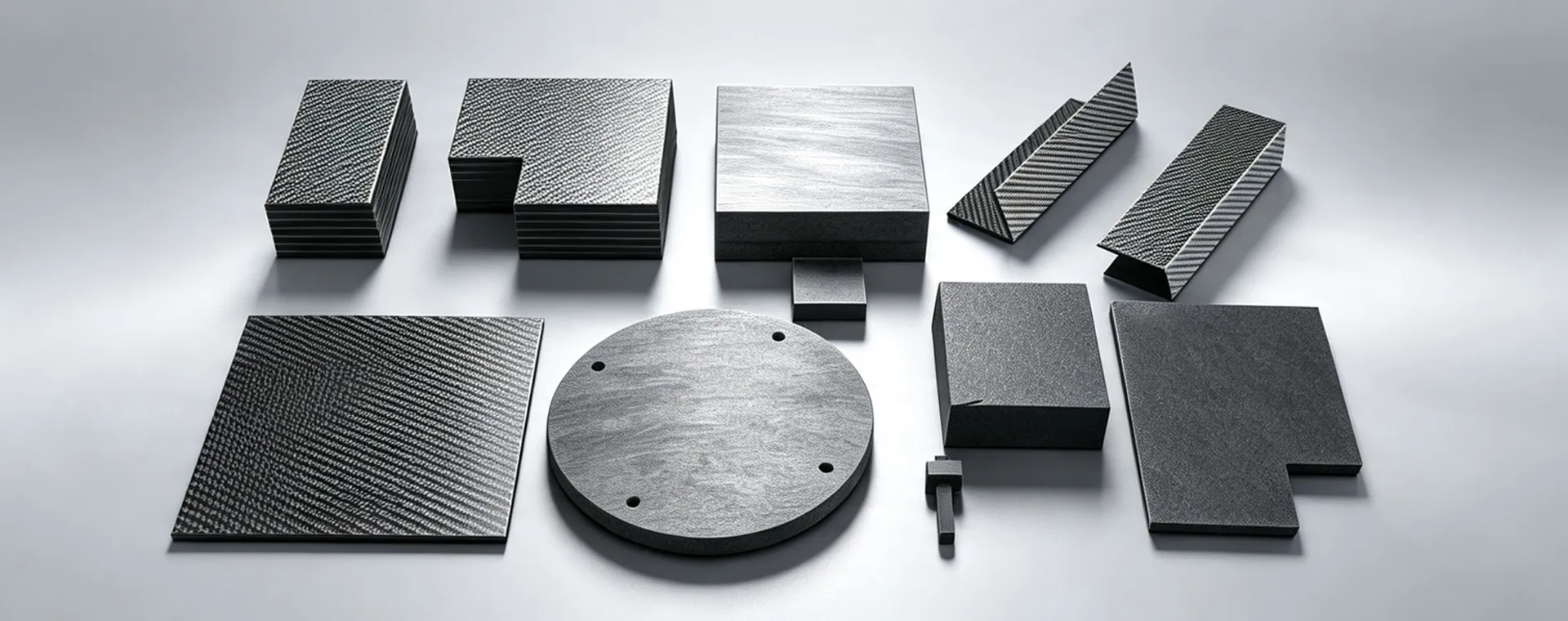
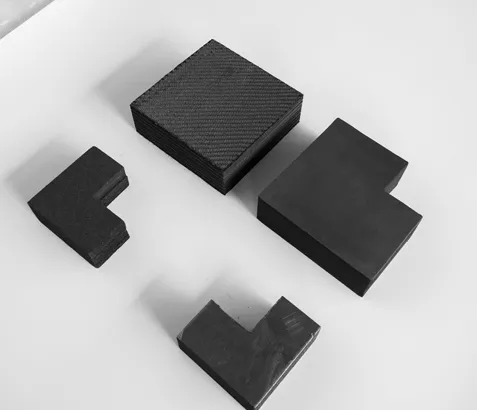
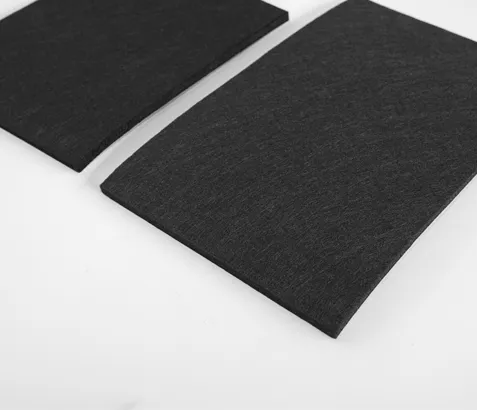
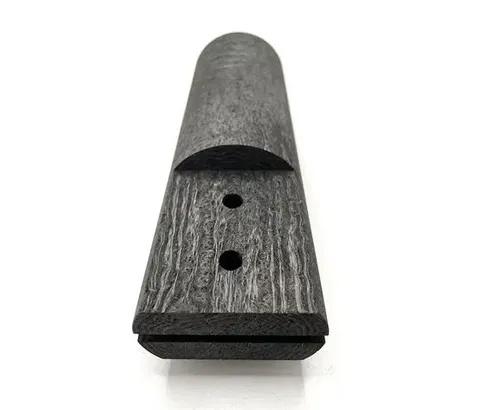
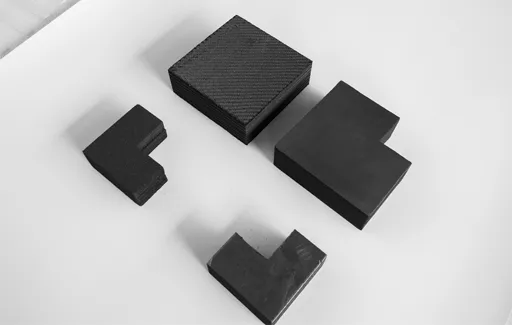
Types of Graphite Felt & Carbon-Carbon Composite Materials

Industry Applications of Graphite Felt & Carbon-Carbon Composite Materials

  • 1

    New Energy: Lithium battery anode sintering, silicon-carbon anode heat field accessories.

  • 2

    Heat Treatment Industry: Vacuum quenching, brazing furnace heat field.

  • 3

    Nonferrous Metals: Precious metals, copper alloys high-temperature melting heat field.

  • 4

    Photovoltaic Semiconductors: Crystal heat field insulation components.

Performance Features of Graphite Felt & Carbon-Carbon Composite Materials

Performance Features of Graphite Felt & Carbon-Carbon Composite Materials

1. Graphite felt: Lightweight, low thermal conductivity, ideal insulation material for vacuum and high-temperature applications.

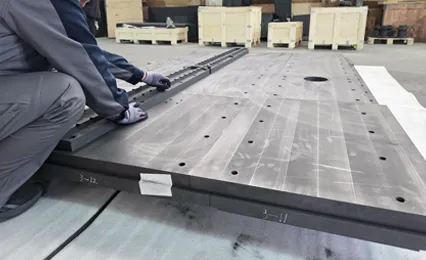
2. C/C composite material: High-temperature resistant, high strength, low thermal expansion, maintains shape at elevated temperatures.

3. Both materials are corrosion-resistant and do not react with most molten metals.

4. Limitation in oxygen-rich environments: Oxidation and degradation occur above 600°C.


Graphite Felt & Carbon-Carbon Composite Materials FAQs

  • Q:

    What is the difference between soft graphite felt and rigid graphite felt?

    Soft graphite felt is flexible, lightweight for thermal insulation layers. Rigid graphite felt is cured and shaped, self-supporting for baffles and thermal shields.

  • Q:

    What is the main difference between graphite felt and C/C composites?

    Graphite felt focuses on thermal insulation with low strength. C/C composites feature high strength, low thermal expansion, suitable for load-bearing fixtures and structural parts.

  • Q:

    What industries are graphite felt and C/C composites used in?

    Widely used in vacuum sintering, heat treatment, powder metallurgy, new-energy material sintering, precious-metal processing and semiconductor thermal field.

  • Q:

    Why do graphite felt and C/C parts degrade at high temperature in air?

    Both carbon-based materials will oxidize above 600℃ under aerobic conditions. Anti-oxidation coating or inert atmosphere is required for long-term service.

How Can We Help You?
If you have any questions about Tennry, you can leave a message online or contact us!
Request a Free Quote
Tennry News
We use cookies to offer you a better browsing experience, analyze site traffic and personalize content. Part of the tracking is necessary to ensure SEO effectiveness,
By using this site, you agree to our use of cookies. Visit our cookie policy to learn more.
Reject Accept