





Graphite's high-temperature resistance, maximum operating temperature.
Thermal stability, resistance to thermal shock, no cracking under rapid cooling and heating.
The benefits of thermal and electrical conductivity for melting.
Chemical inertness, does not react with some molten metals.
Low expansion coefficient, sintered molds are less likely to deform.
Comparison of graphite material costs with ceramic and quartz molds.
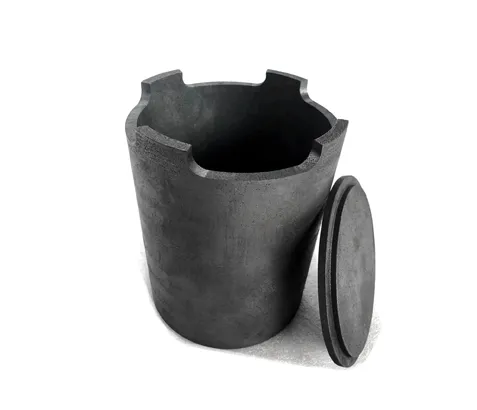
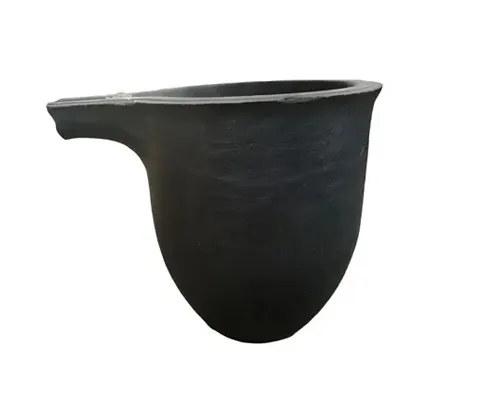
1. Non-ferrous metal smelting: Melting crucibles for gold, silver, copper, aluminum, and zinc.
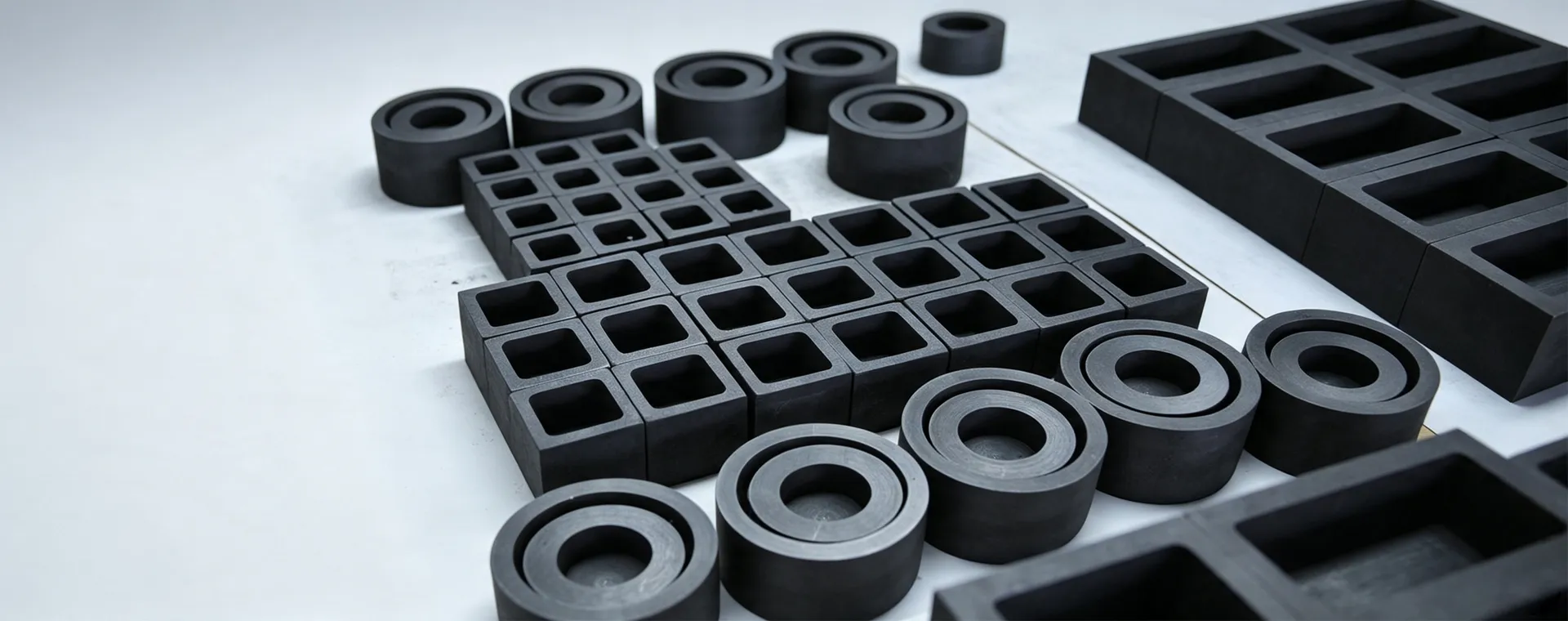
2. Powder metallurgy graphite molds for sintering.
3. New energy industry: Sintering of battery materials, sintering of silicon carbide.
4. Sintering molds for diamond and hard alloy.
5. Precious metal smelting, laboratory melting sample crucibles.
6. Graphite forming molds for casting industry.
7. Graphite workpieces for high-temperature processes in photovoltaics and semiconductors.
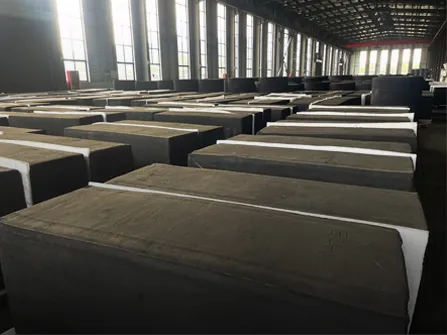
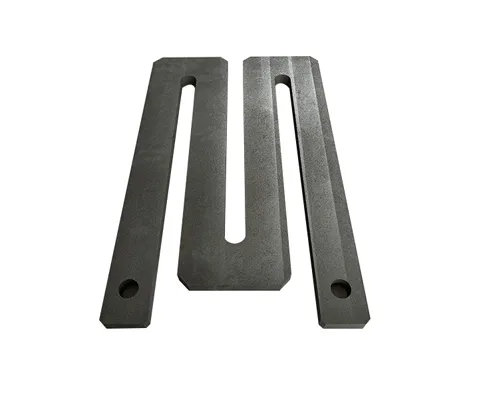
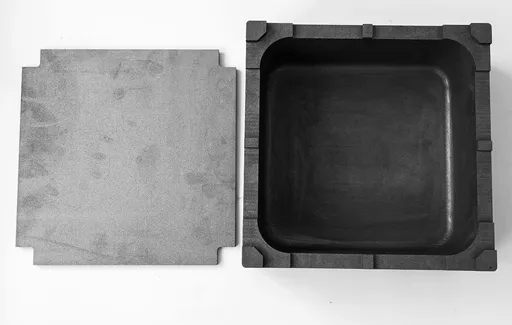
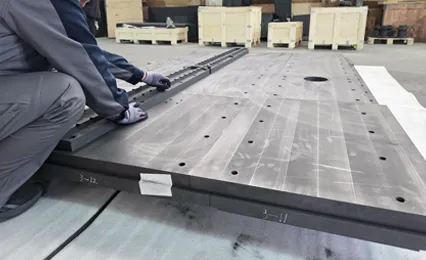
They are high-purity carbon-based high-temperature tools. With excellent thermal performance, they are widely used for metal melting, sintering and thermal forming under high-temperature conditions.
Outstanding heat resistance, good thermal-shock resistance, low thermal expansion and chemical inertness. They resist sudden temperature change and seldom react with most molten non-ferrous metals.
Mainly for non-ferrous metal smelting, powder metallurgy, new-energy material sintering, precious-metal smelting, laboratory thermal test, diamond & hard-alloy sintering.
Rapid heating/cooling thermal shock, moisture absorption without pre-drying, mechanical impact, unreasonable charging, excessive local temperature.
Store in dry, ventilated warehouse. Keep away from rain and moisture. Place cushion pads underneath, avoid direct contact with damp ground.
Yes. We support CNC machining according to drawings, including custom sizes, cavity shapes, special holes and grooves. Different graphite grain grades are optional.
Shuangjing Village, Ligezhuang Town, Jiaozhou City, Qingdao City, Shandong Province, China