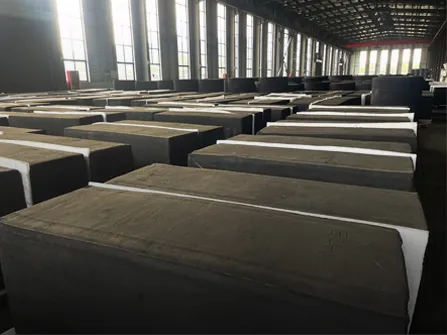
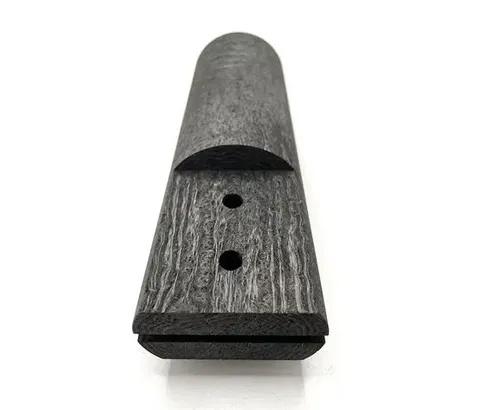
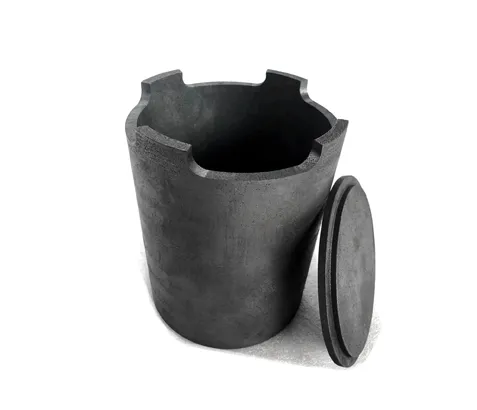
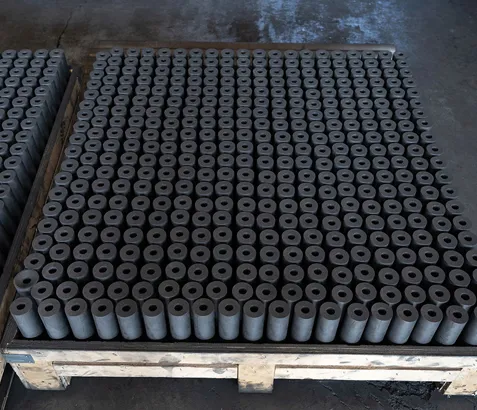
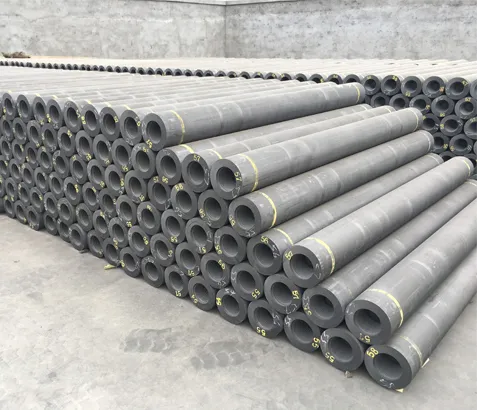
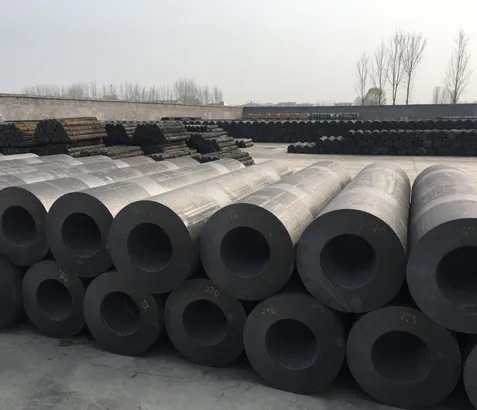
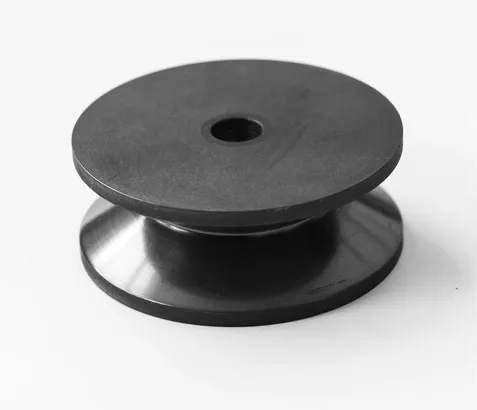
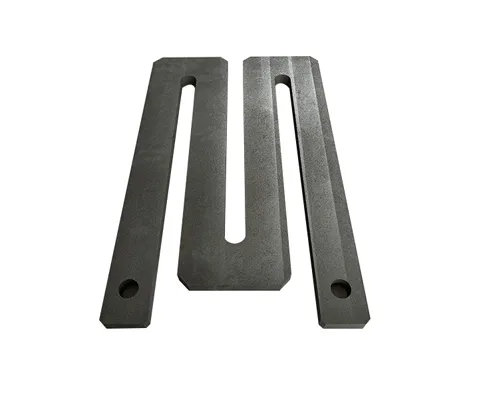
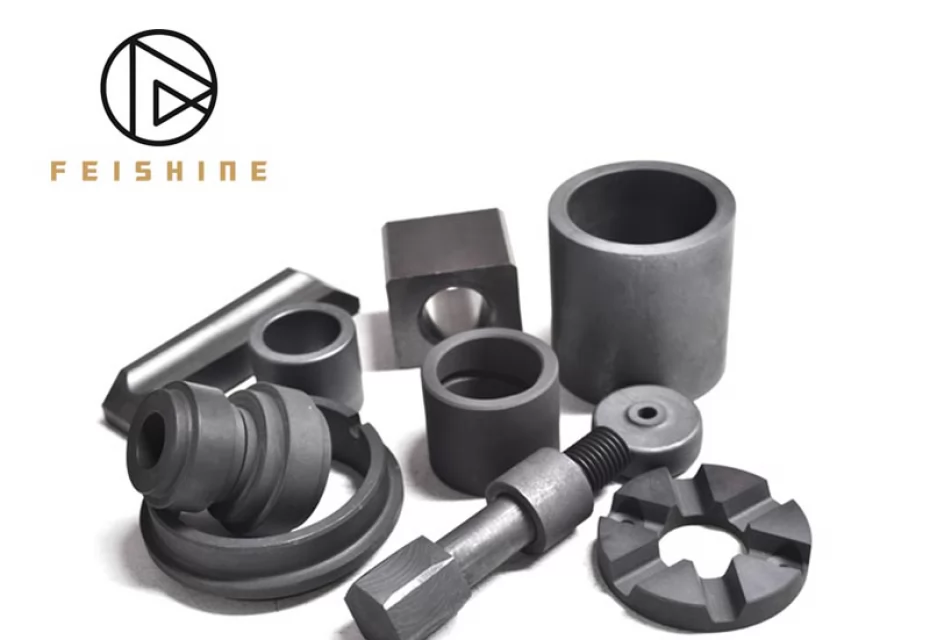
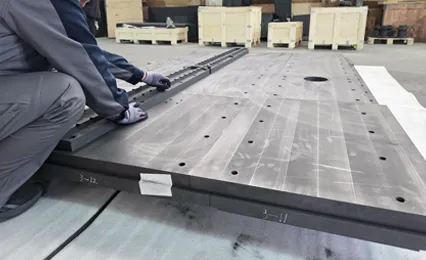
When choosing graphite materials for industrial applications, it is necessary to consider the application scenario, performance requirements, and cost budget. The key is to match the material properties with the working conditions to avoid wasting resources by blindly pursuing high purity or high performance. First, clearly define the core application scenario, distinguish between high-temperature heat fields, conductive electrodes, corrosion-resistant components, lubricating materials, etc., and different scenarios have significantly different requirements for the purity, density, thermal conductivity, and mechanical strength of graphite. For example, in high-end fields such as semiconductors and photovoltaics, high-purity (≥99.9%) graphite is required to avoid impurity contamination of products; while in metallurgy and general machinery fields, medium-purity graphite can be selected, balancing cost performance and usage performance.
Secondly, focus on key performance parameters: purity determines corrosion resistance and cleanliness; high-temperature and corrosive working conditions require low impurity content graphite; density affects mechanical strength and wear resistance; high-density graphite (≥1.8g/cm³) is suitable for bearing and wear-resistant scenarios, while low-density graphite is more suitable for insulation and lightweight requirements; thermal conductivity and electrical conductivity need to be matched according to the working conditions; for electronic heat dissipation, electrodes, etc., high thermal conductivity and low resistivity graphite is required, while for insulation scenarios, the thermal conductivity performance needs to be controlled. At the same time, consider the material's machinability; for complex components, choose graphite materials that are easy to process and less prone to deformation; for batch production, also consider the consistency of material batches.
Finally, it is recommended to prioritize suppliers with complete test reports, verify key indicators such as ash content, particle size, thermal expansion coefficient, etc., conduct small-scale tests based on actual working conditions to confirm compatibility before bulk purchasing. At the same time, consider the supplier's after-sales technical support capabilities to ensure that problems during material use can be promptly resolved, achieving the optimal matching of material selection and application.
 English