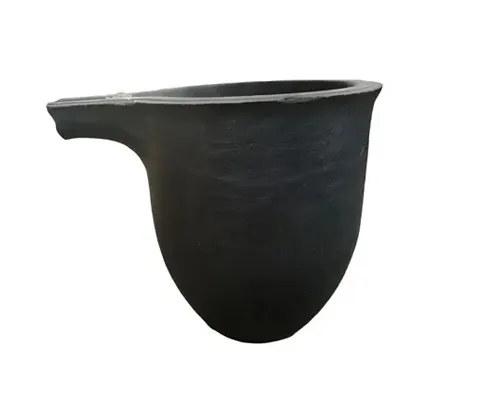
A crucible is a key container for melting and holding high-temperature materials. Pure graphite crucibles and clay graphite crucibles are two common types, each suitable for different melting requirements.
Composition and Structure
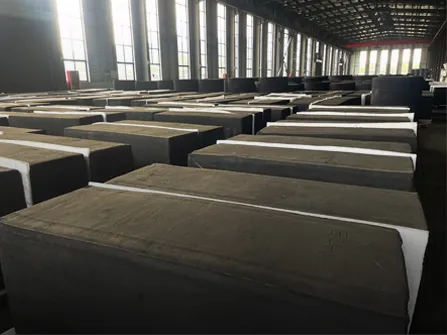
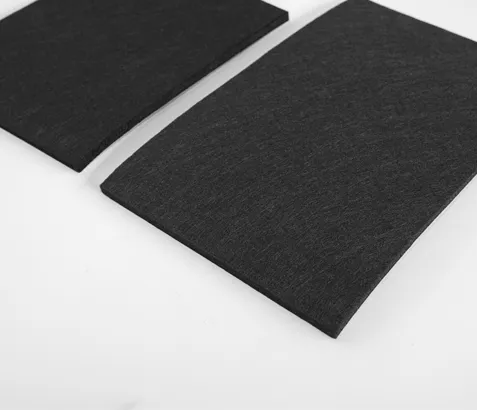
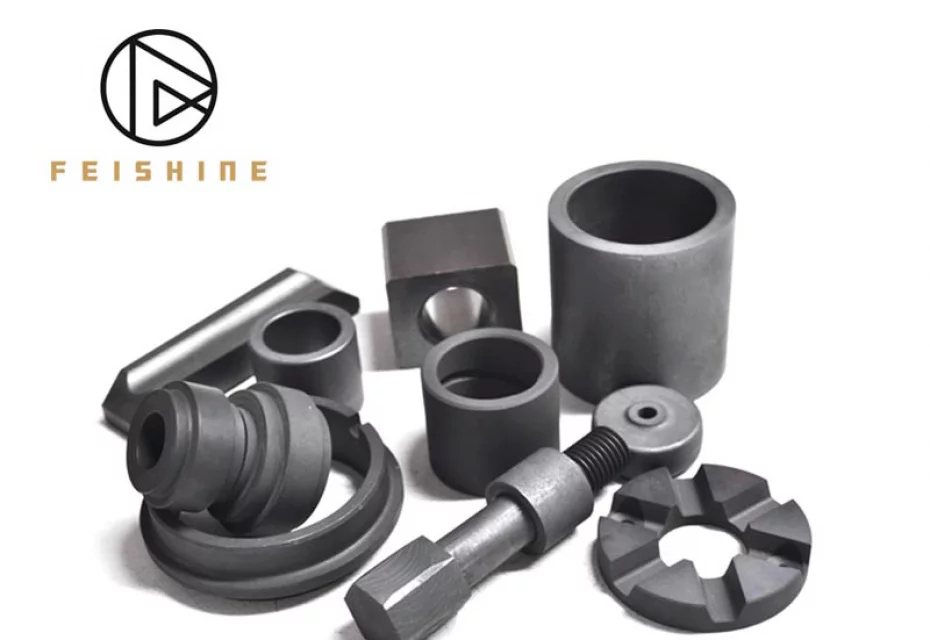
Graphite crucible: Made of high-purity synthetic graphite, usually in the form of isostatic pressing or molded graphite. Almost entirely composed of carbon, with very few impurities, and with a dense and uniform structure, resistant to chemical corrosion.
Clay graphite crucible: A composite material containing graphite (30-50%), clay (as a binder and filler), and other additives such as silicon carbide. The clay component enhances mechanical strength and thermal shock resistance, while the graphite provides conductivity and heat resistance.
Performance Characteristics
Graphite crucible: Excellent thermal conductivity, high temperature resistance (up to 3000°C in inert atmosphere), excellent chemical resistance to molten metals, acids, and bases. Low porosity prevents material contamination. However, it is relatively brittle and has poorer thermal shock resistance than clay graphite crucibles.
Clay graphite crucible: Balances thermal conductivity and mechanical durability. The clay matrix enhances impact resistance and thermal shock resistance, and is less prone to cracking during rapid temperature changes. It has a higher cost-performance ratio than pure graphite crucibles, but has lower purity and may release trace impurities into the molten material.
Application scenario
Graphite crucible: Primarily used for melting high-purity metals (such as titanium, platinum, and rare earth metals), semiconductor materials, and chemicals with strict purity control requirements. Also used in high-temperature laboratory applications.
Clay graphite crucible: Widely used in foundries for melting common metals such as aluminum, copper, brass, and iron. Its durability and cost-effectiveness make it suitable for industrial large-scale melting processes with medium purity requirements.
 English